
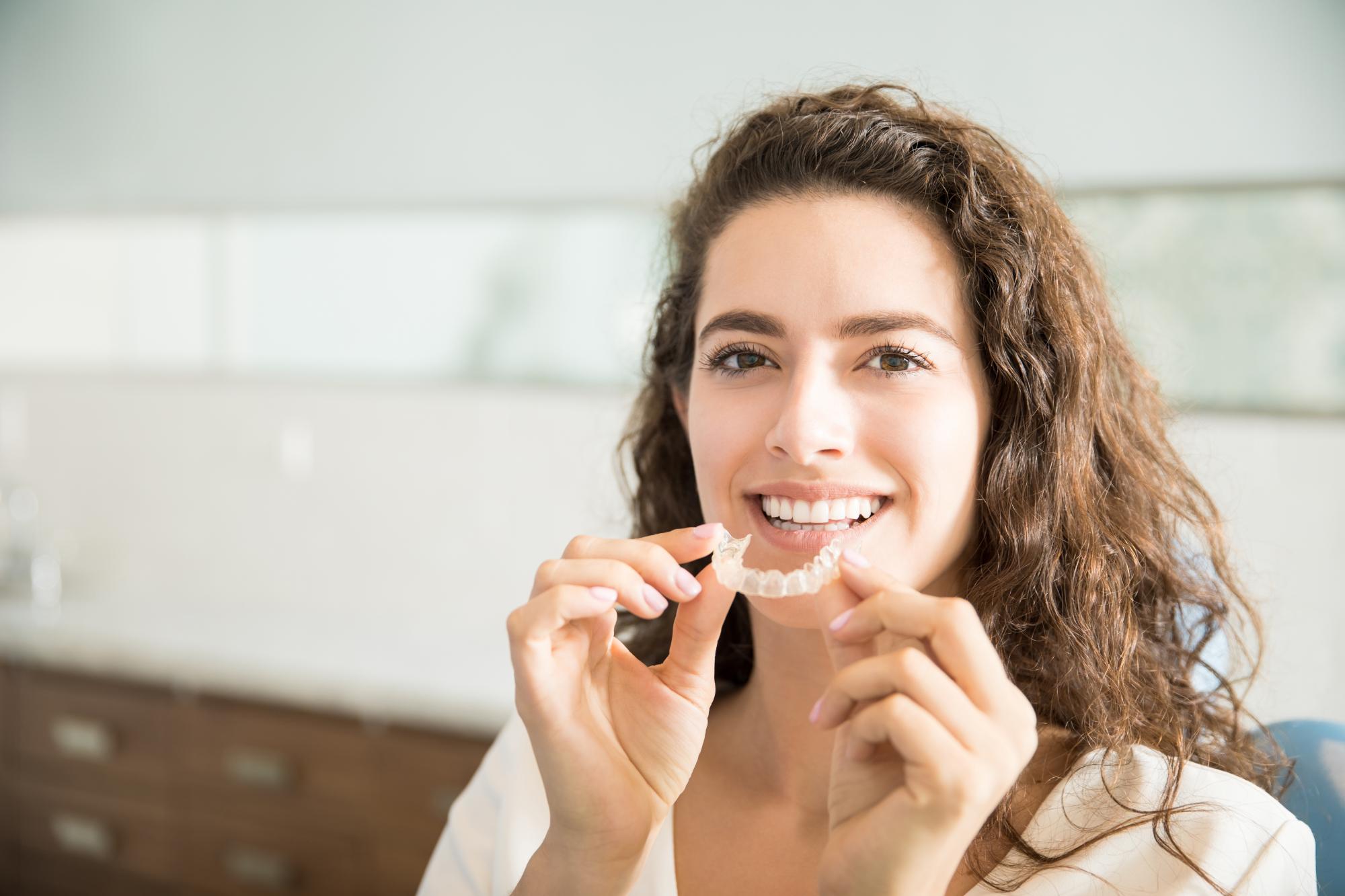
Choosing between clear aligners and braces is one of the most common decisions patients face at Limbaugh Orthodontics. When weighing Invisalign vs. braces, both work, both deliver lasting results, and the right fit depends on your bite, your lifestyle, and how your teeth need to move.
Invisalign vs. Braces at a Glance
Here’s the short answer: choosing between Invisalign and braces usually comes down to discretion, case complexity, and your daily routine. Invisalign is nearly invisible and removable, often finishing mild-to-moderate cases in 6–18 months. Braces are fixed, work continuously, and handle complex corrections well, typically over 12–24 months.
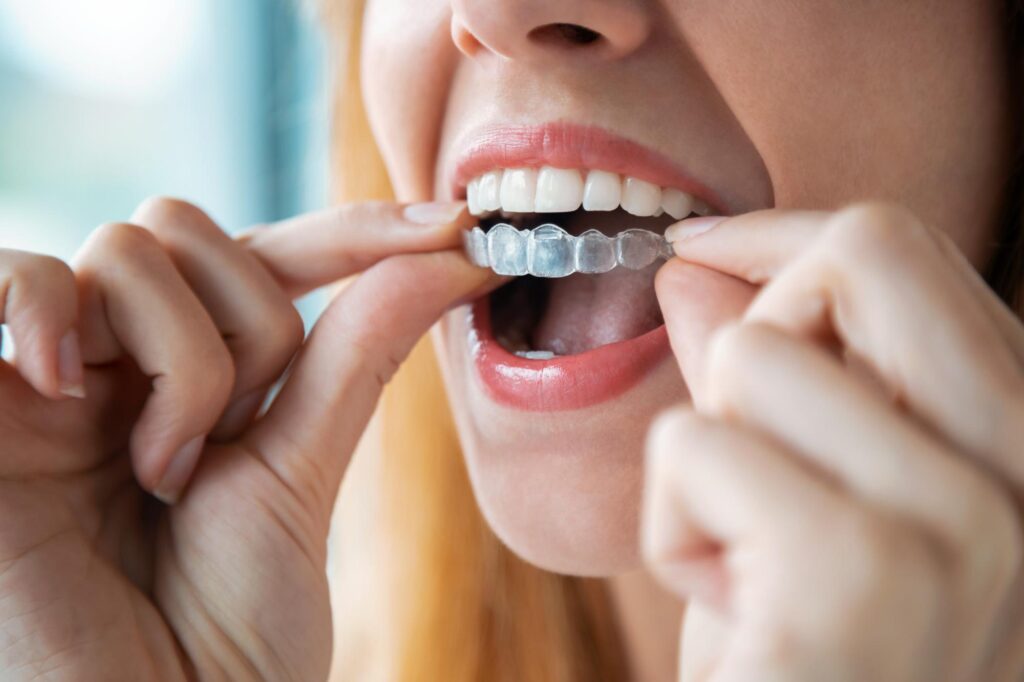
Invisalign uses a series of clear, removable aligners that you swap every 1–2 weeks. They’re worn 20–22 hours a day and come out for meals and brushing. Traditional braces use small brackets bonded to each tooth, connected by an archwire that applies steady, controlled pressure around the clock.
Both systems correct crowding, spacing, and most bite problems. The best choice depends on how complex your case is and what your daily routine looks like. At Limbaugh Orthodontics, Dr. Lindsay Limbaugh offers both options so patients don’t have to compromise between what works and what fits their life.
How Each Treatment Works
Though both move teeth using gentle, sustained pressure, the mechanics differ in ways that can shape your daily routine, your office visits, and your results.
Invisalign Mechanics
Treatment begins with a digital 3D scan of your teeth. No goopy impressions. From that scan, a custom series of aligners is designed to move your teeth through small, programmed movements. You wear each tray for 1–2 weeks before switching to the next.
Small tooth-colored attachments may be bonded to certain teeth to help the aligners grip and rotate them. Occasionally, tiny elastics are added to correct bite relationships. Because the aligners are removable, you’ll take them out for every meal and before brushing.
Traditional and Ceramic Braces
With braces, brackets are bonded directly to the front of each tooth. An archwire runs through them, delivering constant, controlled force. Dr. Lindsay Limbaugh, a board-certified orthodontist through the American Board of Orthodontics, adjusts or changes the wire every 4–8 weeks to progress treatment. Elastics (small rubber bands) are often added to shift the bite.
Metal braces are the most familiar version. Clear ceramic braces work the same way but blend in with your tooth color, offering a less visible fixed option. Both styles handle precise rotational control and complex movements that aligners sometimes struggle with.
Limbaugh Orthodontics uses digital scanning and digital radiography for both treatment paths, which means more accurate planning and fewer surprises during care.

Benefits of Each Option
Both treatments deliver good results. The benefits that matter most to you depend on how you live day to day, so it helps to think through your routine before you decide.
Invisalign Benefits
- Nearly invisible: most people won’t notice you’re in treatment
- Removable for eating and brushing: no food restrictions and easier flossing
- Smooth plastic: no brackets or wires to irritate cheeks and lips
- Fewer office visits: typically every 6–10 weeks
- Digital preview: see your projected final smile before you start
- Works well for professionals, musicians, and athletes who need discretion or play non-contact sports
Traditional and Ceramic Braces Benefits
- Works 24/7: no compliance needed and no risk of forgetting to wear them
- Handles complex cases: severe rotations, significant bite correction, and big movements
- Precise control: good for individual tooth positioning
- Nothing to lose or misplace: appliances stay put
- Set-and-forget approach: a good fit for younger patients and busy families
Lifestyle really drives this decision. If you travel often, speak publicly, or value flexibility at meals, Invisalign tends to feel freeing. If you’d rather not think about trays or wear-time charts, braces quietly do their work in the background.
Side-by-Side Comparison: Time, Comfort, and Daily Life
Here’s a direct comparison of the factors patients ask about most. These are general ranges; your specific plan may differ based on your bite and goals.
| Factor | Invisalign | Traditional/Ceramic Braces |
|---|---|---|
| Visibility | Nearly invisible | Visible (metal) or subtle (ceramic) |
| Treatment Time | 6–18 months typical | 12–24+ months typical |
| Comfort | Mild pressure 1–3 days per new tray | Mild pressure after adjustments; occasional wire irritation |
| Hygiene | Easy; remove to brush and floss | Requires threaders and extra care |
| Diet | No restrictions | Avoid hard, sticky, and chewy foods |
| Compliance | Must wear 20–22 hours a day | Works automatically |
| Office Visits | Every 6–10 weeks | Every 4–8 weeks |
What Comfort Really Feels Like
Most patients describe the first few days with a new aligner, or the day after a wire adjustment, as pressure rather than pain. On a 1–10 scale, discomfort typically lands in the 2–4 range and responds well to over-the-counter relief. Braces can also cause brief soft-tissue irritation where brackets rub, which usually resolves with wax and time.
The 30-Minute Rule
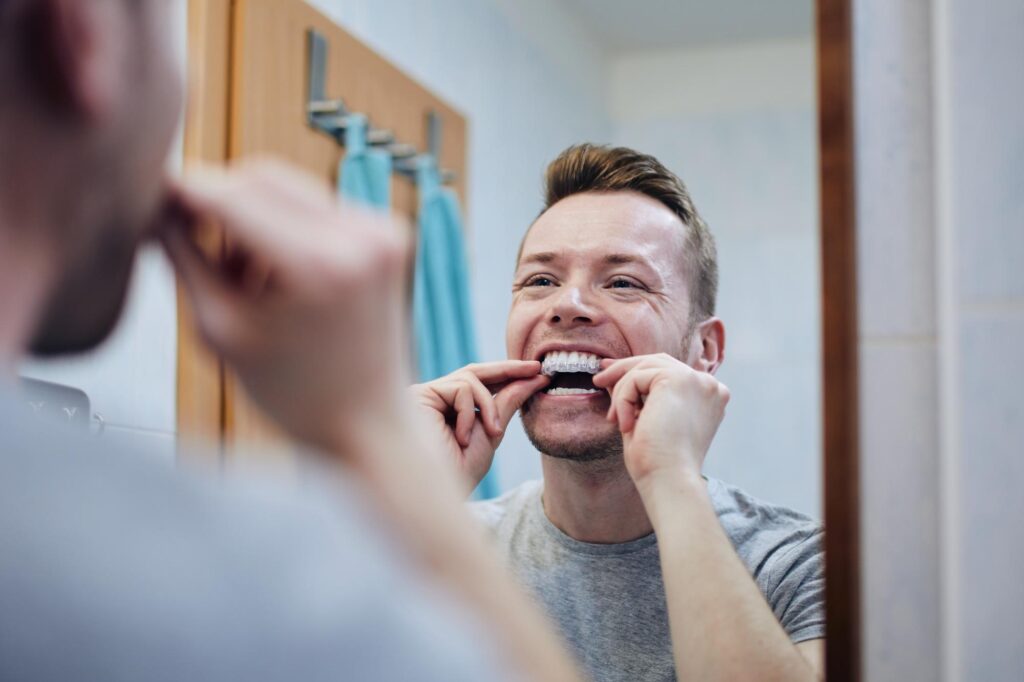
If you choose Invisalign, remember the 30-minute rule: aligners should be out of your mouth no longer than 30 minutes per meal or snack. Staying inside that window keeps treatment on schedule and prevents setbacks.
Insurance and Payment Options
Many dental insurance plans include orthodontic benefits that apply to either treatment. Limbaugh Orthodontics works with Advantica, Aetna, Anthem, Cigna, Delta Dental, Guardian, Humana, MetLife, Principal, United Concordia, and UnitedHealthcare. Interest-free in-house financing and flexible monthly payment plans are available for both Invisalign and braces.
The best way to find out which option fits your smile? A free in-office consultation, where you’ll see your treatment plan and timeline before committing to anything.
Who Is a Good Candidate for Each?
Candidacy comes down to the complexity of your case, your age, and how reliably you’ll wear your appliance.
Invisalign Is Often a Good Fit For
- Adults and mature teens with mild-to-moderate crowding or spacing
- Patients focused on discreet treatment
- Disciplined wearers who’ll keep aligners in 20–22 hours a day
- Professionals who present or speak publicly
- Non-contact-sport athletes
Traditional or Ceramic Braces Are Often a Good Fit For
- Severe bite problems, significant rotations, or large movements
- Younger patients who are still growing
- Patients who prefer not to track wear time
- Contact-sport athletes (with mouthguard protection)
- Families wanting a simple, hands-off approach
Teens and Children
For teens, Invisalign aligners can include compliance indicators that fade with wear, giving parents some reassurance. Braces often remain the practical choice for athletes in contact sports or kids who may struggle with removable appliance habits. Children under 12 usually benefit from braces or Phase 1 (early) treatment during active growth, when guiding jaw development makes a real difference.
Adults
Many adults choose Invisalign for discretion, though ceramic braces are a solid fixed alternative that still blends with tooth color. Dr. Lindsay Limbaugh, who holds a DMD and MS and is board certified by the American Board of Orthodontics, evaluates each adult case for bone health, gum condition, and any restorative work that may influence the plan.
Final candidacy always requires a hands-on exam. Bite, hygiene habits, lifestyle, and your personal goals all weigh in. Limbaugh Orthodontics treats patients at every stage of life, from Phase 1 treatment through adult orthodontics, creating smiles for every age. You’ll receive a recommendation built around your situation rather than a one-size-fits-all answer.
Frequently Asked Questions
Which hurts more, Invisalign or braces?
They’re more similar than different. Both cause mild pressure soreness when teeth begin to move, usually for 1–3 days after a new aligner or wire adjustment. Braces can add occasional soft-tissue irritation from brackets rubbing against cheeks and lips, which orthodontic wax helps resolve quickly. Most patients adapt within the first week or two of either treatment.
How painful is Invisalign on a 1–10 scale?
Most patients report discomfort around a 2–4 out of 10, with the strongest sensation in the first 2–3 days of a new tray. It feels like pressure rather than sharp pain and typically eases with over-the-counter pain relievers if needed. Many people find that switching to a new aligner at bedtime helps them sleep through the adjustment period.
What is the 30-minute rule for Invisalign?
The 30-minute rule means keeping your aligners out of your mouth for no more than 30 minutes per meal or snack. Since aligners need to be worn 20–22 hours a day, staying within this window keeps teeth moving on schedule. Longer breaks can slow progress and extend overall treatment time.
Can Invisalign treat the same issues as braces?
For most mild-to-moderate cases, yes. Invisalign corrects crowding, spacing, and many bite issues. However, severe rotations, significant jaw misalignment, and highly complex cases sometimes respond better to the precise control braces provide. An orthodontist can tell you which option is a better match after examining your teeth and bite.
Do I need a retainer after either treatment?
Yes. Retainers are needed after both Invisalign and braces. Teeth naturally want to shift back toward their original positions, so retention is a lifelong commitment. Most patients wear retainers full-time for a short period after treatment, then transition to nighttime wear long-term to keep that smile right where it belongs.
Ready to see which option fits your smile best? Schedule your free in-office consultation at Limbaugh Orthodontics in Huntsville at 600 Airport Rd. SW, or call 256-882-6000 today. We’ll walk you through both options, review your bite, and build a plan that fits your life. Live Life Smiling.

